


Everything You Need to Know Before Getting a Traditional Japanese Tattoo

THE FIRST STEP
Getting a tattoo is a big decision. Getting a traditional Japanese tattoo is often the beginning of a much bigger journey.
Whether you're considering a sleeve, back piece or your very first Japanese-inspired tattoo, it's worth understanding what makes this style so special before committing to a design.
Over the years, I've found myself becoming more and more fascinated by traditional Japanese tattooing. What first caught my attention was the bold artwork, but it was the history, folklore and incredible composition that kept me hooked. Even now, I'm constantly reading, studying Japanese art, travelling to Japan and learning from traditional reference material because I believe there's always more to discover.
That passion shapes every tattoo I design.
More Than Just a Tattoo
Traditional Japanese tattooing, often called Horimono or Wabori, isn't simply about placing an image on the skin.
It's about creating artwork that flows with the body and tells a story.
Unlike many modern tattoos that stand alone, Japanese tattoos are often designed with the future in mind. A single koi might one day become a full sleeve. A dragon could eventually connect into a back piece.
One of the reasons I specialise in this style is because I love thinking about the bigger picture. Every project is designed to feel balanced, timeless and unique to the person wearing it.

Every Subject Tells a Story
One of the things I enjoy most about Japanese tattooing is the symbolism behind the artwork.
Some of the most popular subjects include:
Dragon – Wisdom, strength and protection.
Koi – Perseverance and overcoming challenges.
Tiger – Courage and resilience.
Hannya – Human emotion and transformation.
Phoenix – Rebirth and new beginnings.
The background matters just as much too. Waves, wind bars, maple leaves, peonies and chrysanthemums aren't just decoration—they help build the story and bring movement to the design.
That said, I never tell clients they have to choose something because of its meaning.
Some people connect with the symbolism. Others simply love the artwork. Both are completely valid.
My job is to take those ideas and build them into a design that's personal to you.
Why Body Flow Matters
One thing that separates traditional Japanese tattooing from many other styles is something called body flow.
Before I think about dragons, snakes or koi, I think about the body itself.
Every arm, shoulder and torso is different, so every design should be too.
A tattoo shouldn't feel like a sticker placed on the skin. It should move naturally with your body, wrapping around muscles and creating a composition that looks like it belongs there.
It's often the difference between a tattoo that looks good today and one that still looks incredible twenty years from now.

Inspiration vs Copying
Clients often bring me screenshots they've saved online.
I actually encourage it.
Reference images help me understand what styles, colours and subjects you like.
But inspiration should stay exactly that—inspiration.
Rather than copying someone else's tattoo, I prefer creating bespoke artwork that's designed specifically for you. That means considering your body shape, the placement, future plans and the overall flow of the piece.
The result is something that's completely your own.
The Journey
Large Japanese tattoos aren't usually finished in a single day.
Sleeves, back pieces and larger projects are built over multiple sessions.
Some take months.
Some take years.
Watching a project grow from the first outline into a finished piece is one of my favourite parts of being a tattoo artist. It's something both the client and I experience together, and there's nothing quite like seeing the final piece come to life.
Good tattoos take time.
Great tattoos are worth waiting for.
How I Approach Every Design
Before I ever start drawing, I spend time researching.
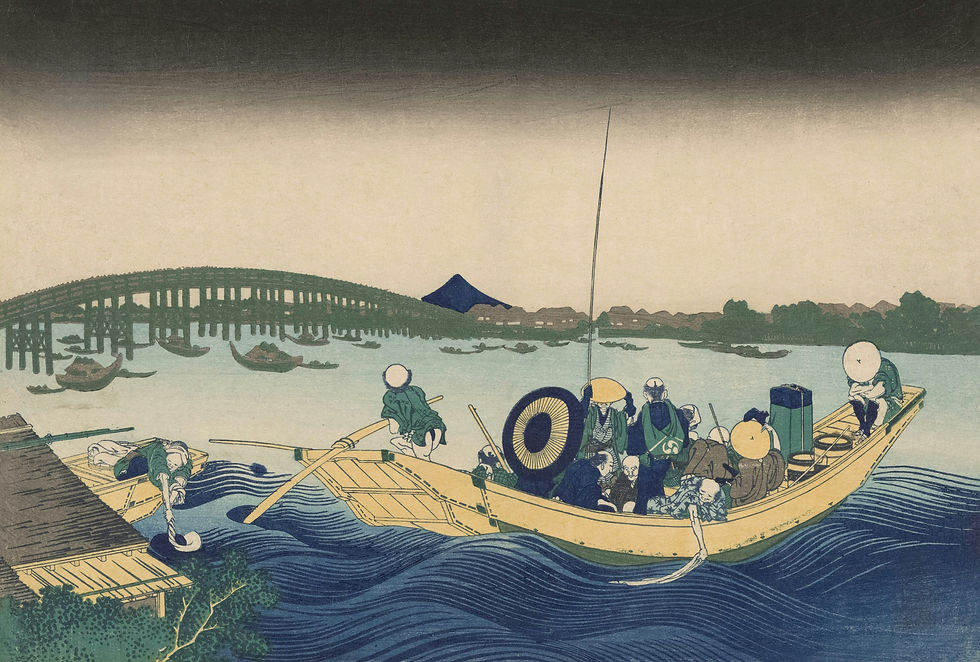
I regularly study traditional Japanese artwork, ukiyo-e prints and historical references because I believe understanding the origins of these designs helps me create stronger tattoos today.
Every design I create is drawn from scratch.
No tracing.
No copying.
Just original artwork inspired by centuries of Japanese tradition and designed specifically for the individual sitting in my chair.
For me, that's what bespoke tattooing should be.
Thinking About Your First Japanese Tattoo?
If you're considering starting your own Japanese tattoo journey, my advice is simple:
Take your time.
Research your artist.
Think about the bigger picture rather than just the first session.
The best Japanese tattoos aren't rushed—they're carefully planned, thoughtfully designed and built to last a lifetime.
If that sounds like the kind of tattoo you're looking for, I'd love to help bring your ideas to life.

Comments